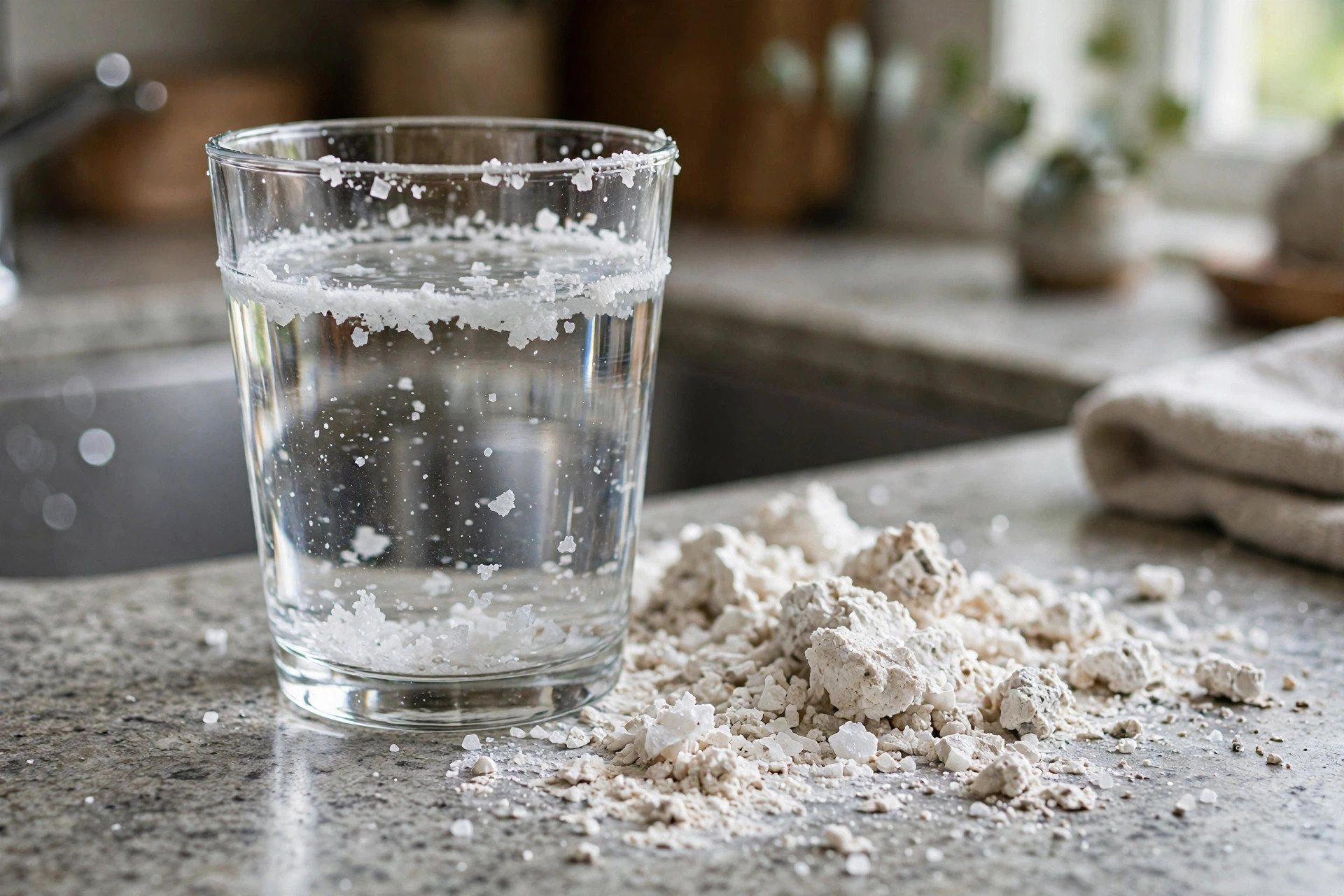
If your home runs on borewell water in Gujarat, choosing the best RO for borewell water is not the same as picking a purifier for municipal supply. Borewell water here routinely carries TDS of 1500–3000 ppm or more, plus hardness, iron and fine sediment that a basic off-the-shelf RO was never designed to handle. Nyasa Enterprise — an independent RO service provider in Ahmedabad & Gandhinagar — sees brand-new purifiers choking within months because the machine didn't match the water. This 2026 guide covers what actually works: the specs that matter, when pre-treatment is needed, and the maintenance reality.
Why Borewell Water Destroys Ordinary ROs
A water purifier for borewell water in Gujarat faces a far harsher job than one on city supply:
- Very high TDS (1500–3000+ ppm) — the membrane works at maximum load, rejects far more water, and wears out faster.
- Hardness (calcium & magnesium) — forms scale on the membrane surface, choking flow within months.
- Iron — gives water a yellow or brown tint and fouls membranes quickly.
- Fine silt and sand — clogs sediment pre-filters in weeks, starving the pump.
- Variable pressure — borewell pumps deliver uneven pressure, which weak booster pumps can't handle.
This is why a generic ro for borewell water Ahmedabad search mostly returns ads for ordinary purifiers. The machine that works on 300 ppm municipal water is simply not the same machine that survives 2500 ppm borewell water.
Step 1 — Test Your Water Before You Buy Anything
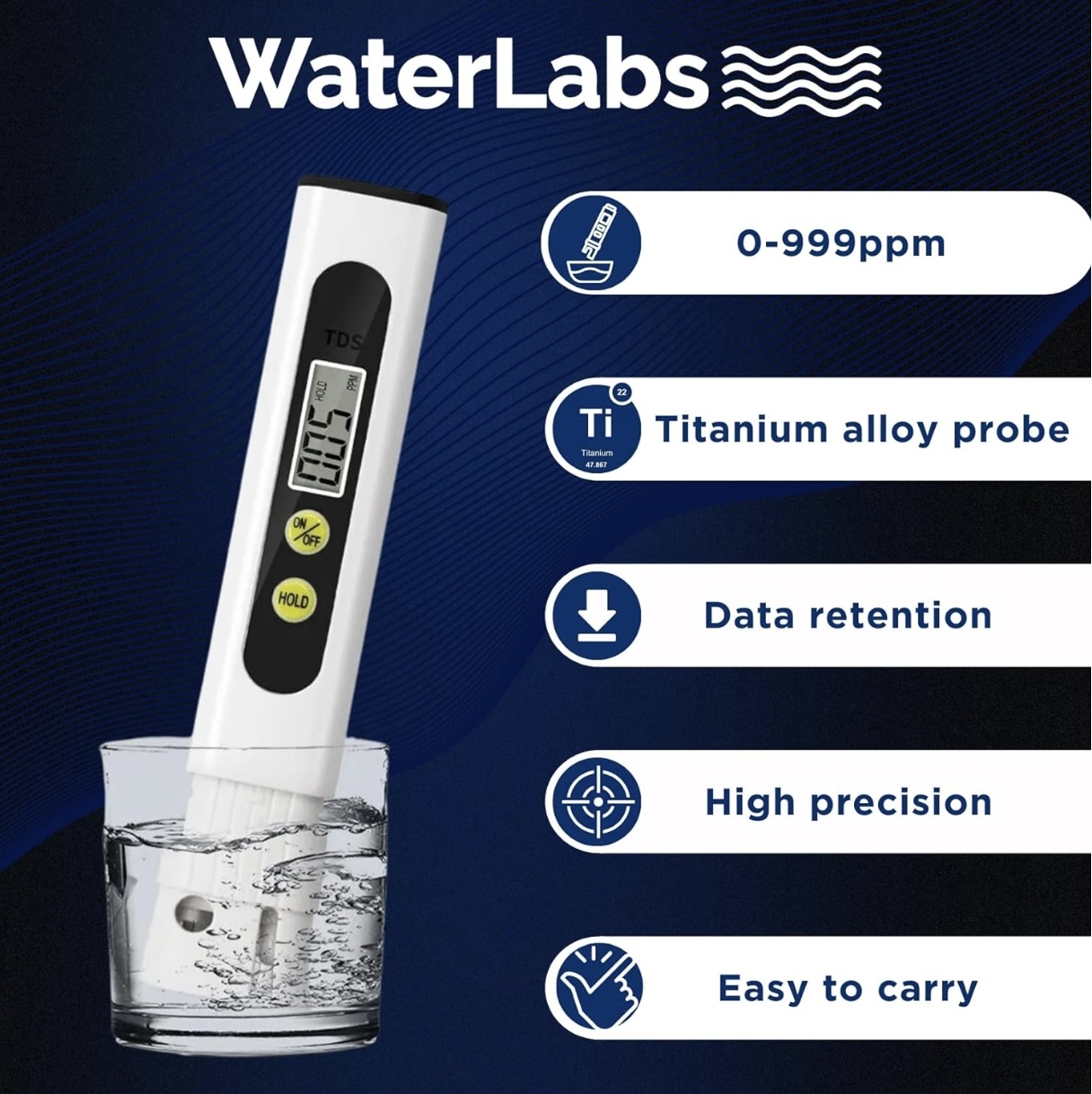
Every honest recommendation for an ro purifier for high TDS borewell water starts with one step: measure your water. A simple TDS meter test takes two minutes and gives you the single most important number — input TDS.
- Below ~500 ppm: a standard RO works fine.
- 500–1500 ppm: you need a proper high-TDS-rated RO with good pre-filtration.
- 1500–3000+ ppm: only a heavy-duty membrane setup with pre-treatment will last.
- Yellow/brown tint or metallic taste: test for iron and hardness too.
We test TDS during every ₹150 visit in Ahmedabad & Gandhinagar — because recommending a purifier without knowing your TDS is guessing. Aim for drinking output of 100–300 ppm: safe and good-tasting.
What Makes the Best RO for Borewell Water: The Specs That Matter
Forget the brand badge for a moment. For borewell water, these are the specs that decide whether your purifier survives:
- High-TDS-rated RO membrane — rated for 2000+ ppm input. This is the single most important spec for borewell water.
- Multi-stage sediment pre-filtration — coarse (20-micron) then fine (5-micron) sediment filters, so silt never reaches the membrane.
- Strong booster pump — borewell pressure is uneven; a weak pump means slow output and early membrane death.
- TDS controller / mineraliser — blends back a controlled amount of minerals so water tastes right and isn't over-purified.
- UV stage — borewells can carry bacteria; UV after RO adds a safety layer.
- Adequate storage — high-TDS water purifies slower; a bigger tank means you're not waiting.
Popular brands all sell models across this range — Kent, Aquaguard, Pureit, Livpure and others. Match the specs to your water report, not the showroom poster: a mid-range model with the right membrane beats a premium model with the wrong one.
When Borewell Water Needs Pre-Treatment First
Sometimes even the best RO for borewell water needs help before the water reaches it. If your water shows any of these, pre-treatment isn't optional — it's what saves you from replacing membranes every few months:
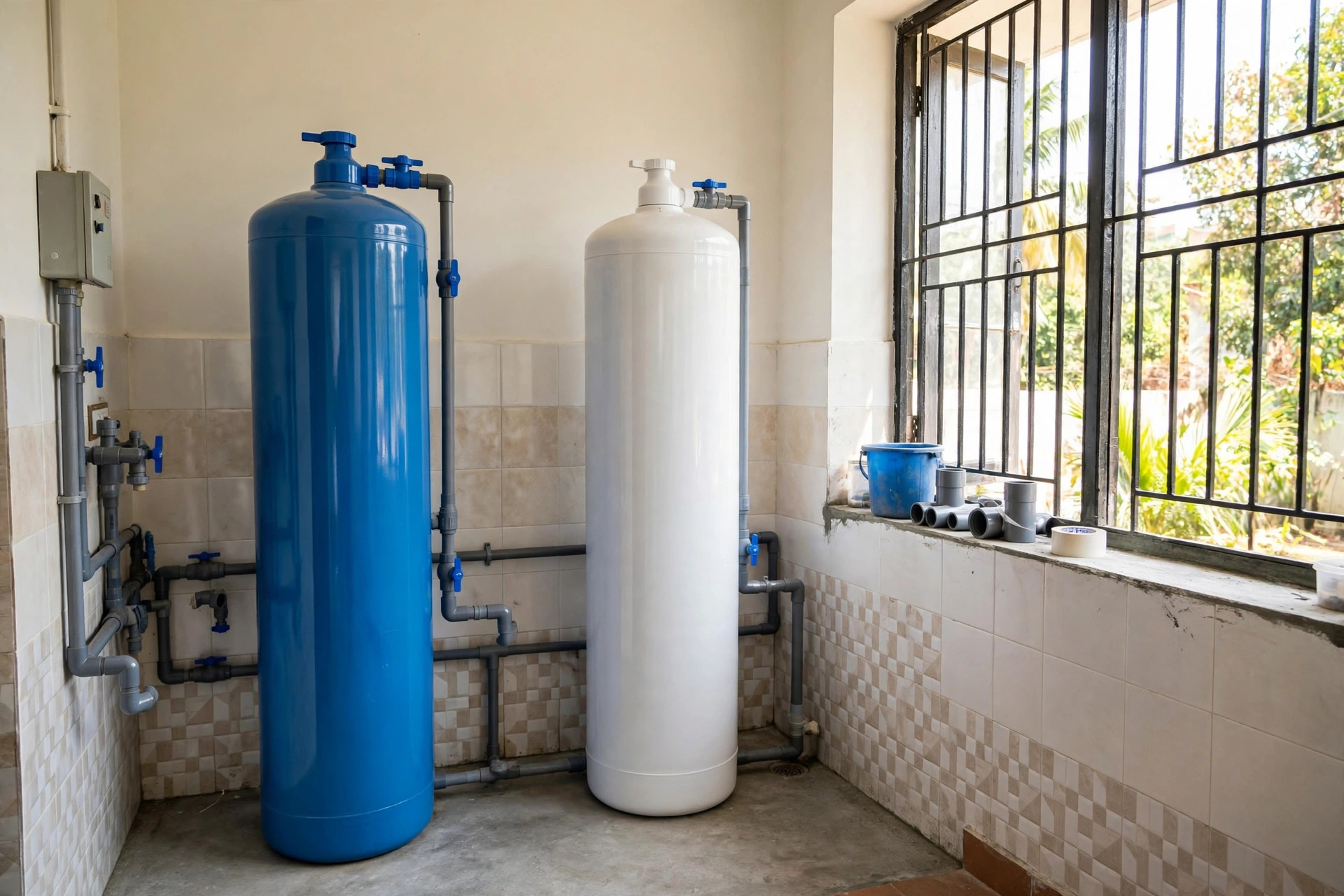
- Heavy scaling (white deposits on taps, buckets) → a water softener before the RO removes hardness and can significantly extend membrane life.
- Yellow/brown water or metallic taste → an iron filter before the RO stops iron fouling.
- Visible mud or sand → an external sediment pre-filter (cheap, replaceable) takes the beating instead of your purifier's internals.
Pre-treatment adds upfront cost, but one avoided membrane replacement — the most expensive part of any RO — usually pays for it. We install softeners and pre-filters across Ahmedabad & Gandhinagar, pricing quoted upfront; RO installation is ₹499.
The Maintenance Reality Nobody Mentions
A borewell water purifier in Gujarat needs servicing roughly 2–3x more often than one on municipal water. Sediment filters that last 6 months in the city can clog in 2–3 months on borewell water; membranes work harder and live shorter. Skip service and output drops, TDS creeps up, the pump strains.
Want to know exactly what fair servicing costs? See our RO service charges guide for Ahmedabad — full price breakdown, no surprises.
Service Matters More Than the Brand
Even the best RO for borewell water needs a good service partner — someone who tests your water first, installs correctly, and shows up for maintenance. Nyasa Enterprise is an independent RO service provider (not tied to any brand): all major brands serviced across Ahmedabad & Gandhinagar for homes, and all Gujarat for industrial and commercial plants.
- RO installation — ₹499, any brand, done right the first time
- General service — ₹299 · Visit — ₹150 · 30-day warranty on all work
- TDS testing on every visit · Honest advice, no upselling
Running a society or commercial borewell plant instead? Read our commercial RO plant service guide — same honest approach, sized for business.