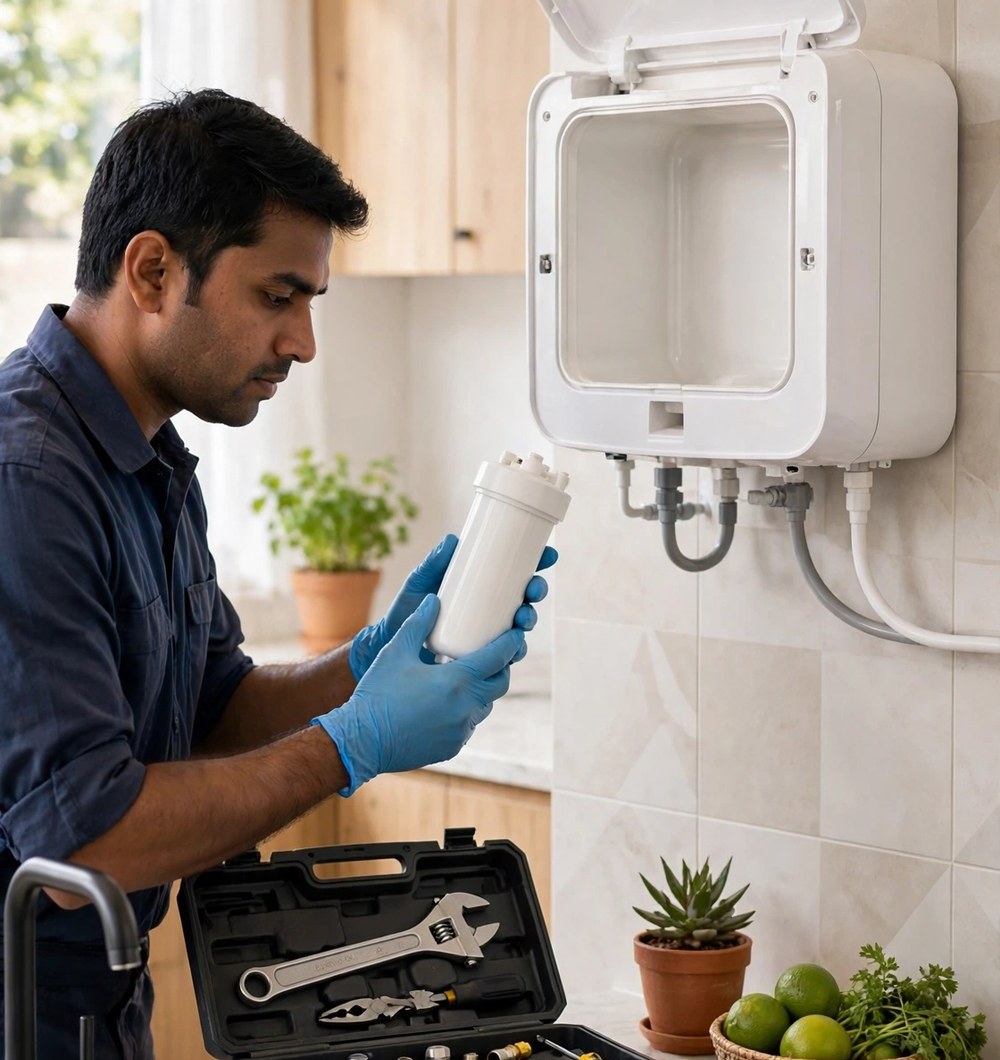
When your RO purifier stops giving water, the first thing most people in Ahmedabad do is search for ro repair near me and call the first number they find. That is understandable — nobody wants to spend a day without drinking water. But there is one habit that saves you money, time and repeat visits: insist on a proper diagnosis before any repair starts. A good RO repair visit is not "open the purifier and start changing parts." It is a step-by-step check, in a fixed order, that finds the real fault first. Only then does the technician quote a price and ask your approval. This guide explains that diagnosis order — power, water pressure, pre-filters, membrane, pump, tank pressure and TDS — so you know exactly what should happen when a technician visits your home in Ahmedabad or Gandhinagar.
Why Diagnosis Must Come Before Repair
Most RO problems look alike from the outside. Low water flow, for example, can be caused by a choked pre-filter, a weak booster pump, a damaged membrane, low inlet pressure, or a storage tank that has lost air pressure. Each of those has a different fix and a different cost. If a technician replaces the membrane first without checking the cheaper causes, you may pay for a part you never needed — and the original problem can return within weeks. That is why a proper RO repair always begins with testing, not replacing. Diagnosis also protects you in another way: once the fault is identified and the price is quoted upfront, there is no room for surprise charges at the end of the visit. At Nyasa Enterprise, an independent service provider, the rule is simple — proper diagnosis before replacement, and no work begins until you approve the quote.
The 7-Step RO Diagnosis Order
A technician who follows a fixed order will not miss a hidden fault. Here is the order used on a standard ro service near me home service visit, and what each step tells you.
Step 1: Power Supply and Adapter
The check starts at the wall. Is the purifier getting power, is the adapter working, and is the low-pressure switch behaving normally? A dead adapter or a loose connection can make a perfectly healthy purifier look completely dead. This is the lowest-cost fault to fix, which is exactly why it is checked first. If you searched for a ro service technician near me because your purifier suddenly stopped, mention whether the purifier's lights are on or off — that one detail already points the technician in the right direction.
Step 2: Inlet Water Pressure
Next comes the water coming into the purifier. RO systems need a minimum inlet pressure to work; a weak municipal supply, a half-closed inlet valve, or a choked inlet pipe can starve the whole system. The technician checks the tap pressure and the inlet valve before touching anything inside the machine. In many Ahmedabad homes, especially on upper floors, low inlet pressure is the whole story behind slow output — and it needs no spare part at all.
Step 3: Pre-Filters and Carbon Filter
The sediment pre-filter and carbon filter are the first parts water passes through, and they clog fastest — especially in high-TDS and borewell water areas. A choked pre-filter reduces flow, strains the pump and shortens membrane life. During diagnosis, the technician inspects these filters and shows you their condition. A ro filter service near me visit often ends here: a filter change, not a major repair. Pre-filters are also the parts most often changed unnecessarily on every visit, so ask to see the old filter before agreeing to a change.
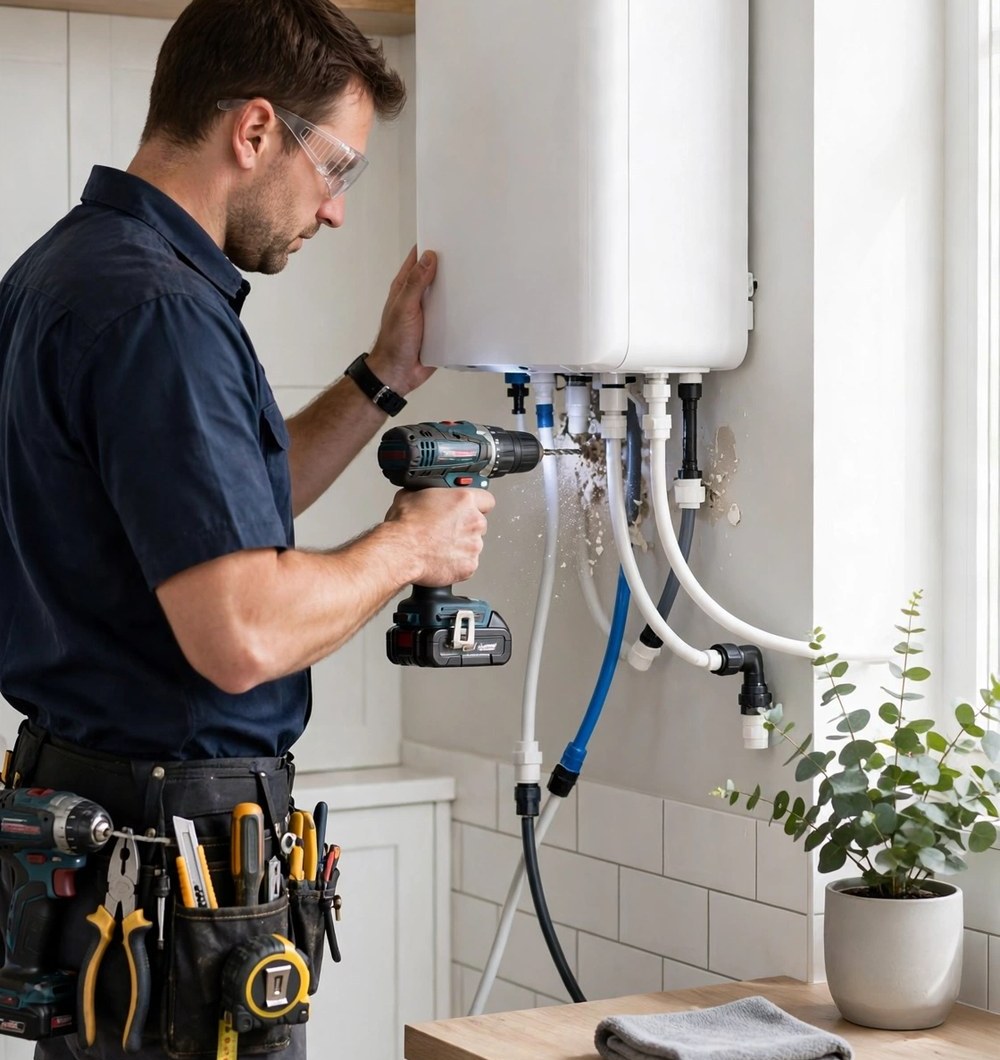
Step 4: Membrane Health and TDS Reading
The RO membrane is the heart of the purifier, and its health is measured, not guessed. The technician takes a TDS meter reading of the inlet water and the purified water. A healthy membrane brings high inlet TDS down sharply; a small difference between the two readings means the membrane is weak. This is also how RO membrane replacement in Ahmedabad is decided — by numbers on a meter, in front of you, not by the age of the part alone. If your complaint is bad taste or a high TDS problem, this step is the one that matters most, and you should always ask to see both readings.
Step 5: Booster Pump and Motor
If pressure is low inside the system even though the inlet supply is fine, attention turns to the booster pump. The technician listens for unusual noise, checks whether the pump runs continuously or cuts off too early, and tests its output pressure. Pump trouble often shows up as noise, vibration, or water that starts and stops. A RO pump repair in Ahmedabad is only quoted after this test confirms the pump — not the filters or the membrane — is the real cause.
Step 6: Storage Tank Pressure
A very common complaint is that the tank fills slowly or never seems full, even when the purifier itself is working. The storage tank holds water under air pressure, and when that air pressure drops, the tank cannot push water out properly. The technician checks the tank's air pressure and the tank valve, and tests whether water flows steadily from the tap. Tank trouble is frequently mistaken for a membrane problem, and the diagnosis order exists precisely to catch that mistake before you pay for a membrane you do not need.
Step 7: Final Flow, Taste and Leak Check
The last step ties everything together. The technician checks the flow rate at the tap, tastes the purified water, and inspects every pipe joint for seepage — including tap leakage, which is one of the most reported RO complaints. Only after all seven steps does the technician give you the full picture: what is wrong, which part (if any) needs replacing, what it costs, and how long the work will take. Nothing is fitted before you approve that quote.
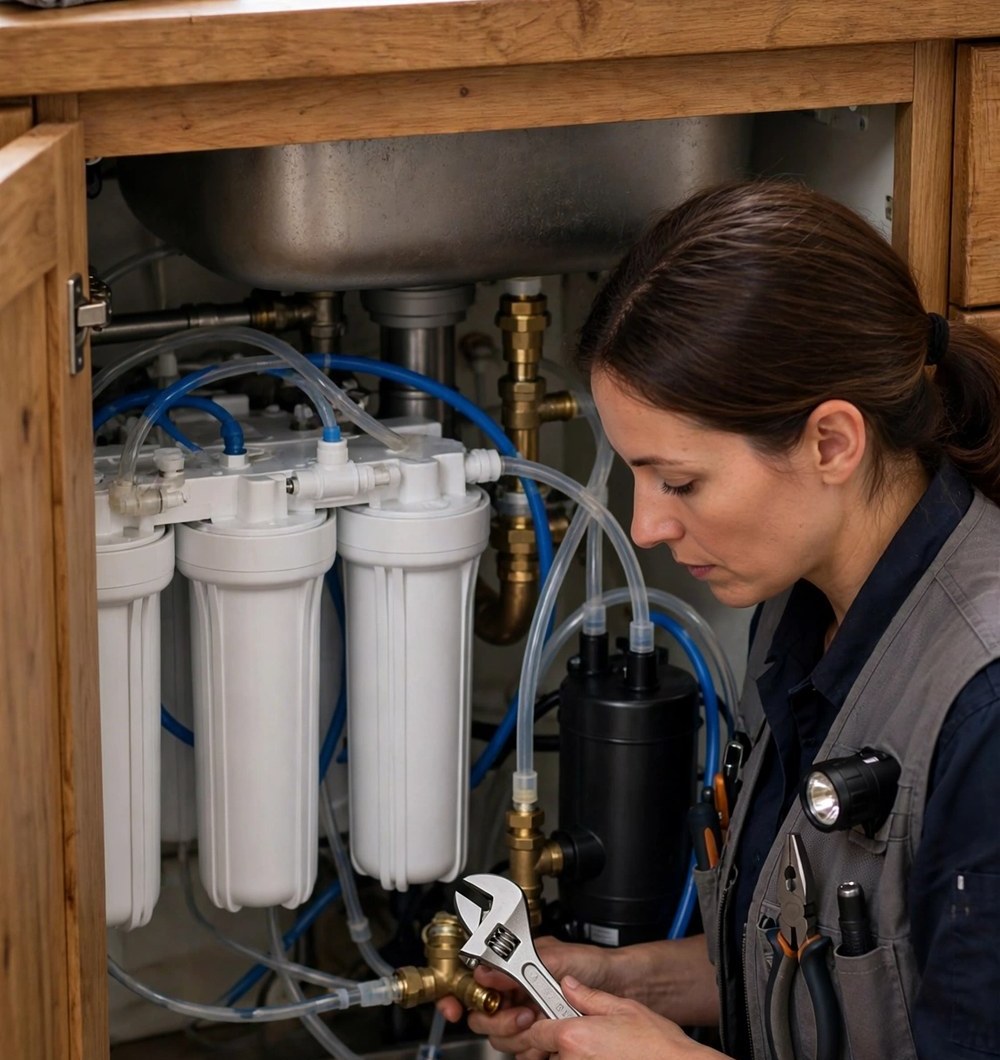
What to Tell the Technician Before the Visit
You can make the diagnosis faster — and more accurate — by giving the technician five facts when you book. First, the exact symptom: no water at all, low water flow, water not filling the tank, bad taste, high TDS, leakage from the tap or pipes, or unusual noise. Second, when it started and whether it came on suddenly or gradually. Third, your purifier's brand and model — Kent, Aquaguard, Pureit, Livpure, LG, AO Smith or any other major brand — because parts and filter sizes differ by brand. Fourth, your water source: municipal supply or borewell, and your area, since TDS levels vary across Ahmedabad. Fifth, when the filters and membrane were last changed. A ro service engineer near me who arrives with this information can often carry the right spare parts on the first visit itself, instead of needing a second trip. Be present during the check, so you can see the TDS readings and old parts yourself.
What a Good Diagnosis Report Should Include
At the end of the check, you should be able to answer these questions: What is the exact fault? Which step of the diagnosis found it? What are the inlet and outlet TDS readings? Which parts, if any, need replacing, and what does each cost? Is the repair covered under the 30-day warranty if it is a repeat issue? A technician who cannot answer these plainly has not finished the diagnosis. Be cautious of anyone who declares the membrane dead without a TDS test, insists every filter must change on every visit, or refuses to quote part prices before starting work. Those are the moments to pause, pay only the visit charge, and get a second opinion. Remember, a diagnosis visit is also how you judge a service provider: clear findings, itemised pricing and no pressure to approve on the spot are the signs of an honest ro repair service near me.
Diagnosis, Repair and Replacement: How They Differ
Diagnosis finds the fault. Repair fixes it — a filter change, a pump adjustment, a valve replacement, a tank pressure correction. Replacement of the whole purifier is a different decision altogether, and it should never be suggested on the basis of one faulty part. If a technician jumps straight to "buy a new purifier" after a five-minute look, that is not a diagnosis. Our separate guide on the repair-or-replace decision covers that choice in detail. For most breakdowns — leakage, low flow, no water, noise, tap leakage, a tank that will not fill — a proper diagnosis leads to a targeted repair, and the purifier runs for years more.
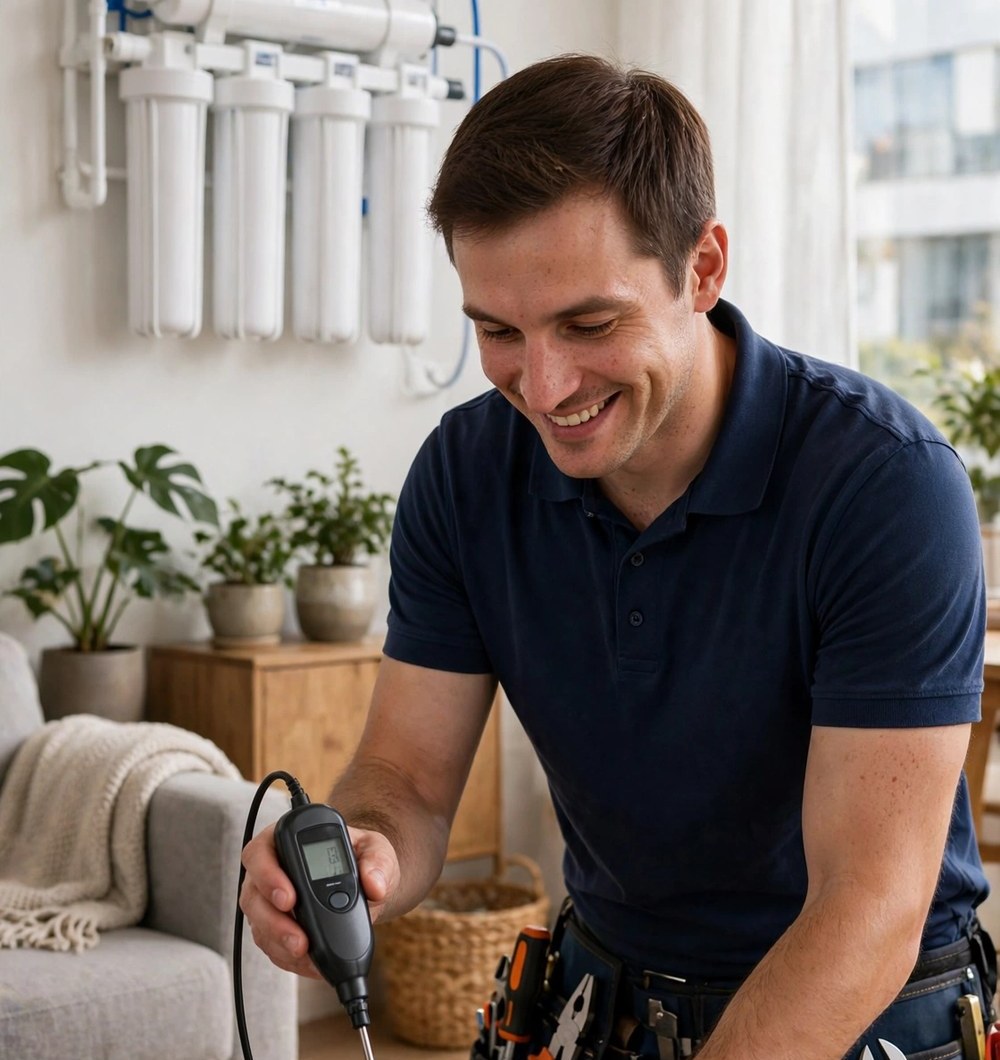
RO Repair Diagnosis Across Ahmedabad and Gandhinagar
Nyasa Enterprise provides doorstep diagnosis and ro repair near me home service across Ahmedabad and Gandhinagar, including RO service in Ranip, RO service in Chandkheda, RO service in Bopal, RO service in Gota, RO service in Naranpura, RO service in Satellite and RO service in Gandhinagar. Whether you need a Kent RO repair service near me, an Aquaguard RO service near me, a Pureit RO service near me or a Livpure RO service near me, the diagnosis order stays the same, because the machine's working does not change with its brand — only the parts do. Domestic RO service near me, including water purifier repair in Ahmedabad and water purifier service in Ahmedabad, is available Monday to Sunday, 8 AM to 8 PM.
What Does a Diagnosis Visit Cost?
A doorstep visit costs a fixed ₹150. If you approve the repair, a domestic RO service and repair starts at ₹299, with filters from ₹199 and any spare part quoted upfront before fitting. A priority visit for an urgent breakdown is ₹399. If you decline the work after diagnosis, you pay only the ₹150 visit charge — the findings and the quote are yours to keep, and there is no obligation to proceed. For purifiers that need attention twice or more a year, AMC plans from ₹1,999 per year cover scheduled services and breakdown support. If your purifier has stopped completely and you need help today, our emergency RO repair guide explains what to do first while the technician is on the way.